AION 2's Unreal Engine 5 Makeover: Nanite, Lumen and Cinematic Faces
Published 2025-11-25Updated 2026-09-194 min read
AION 2 uses Unreal Engine 5's Nanite and Lumen to deliver film-grade characters and dynamic lighting — a visual deep dive on the MMO's technical leap.
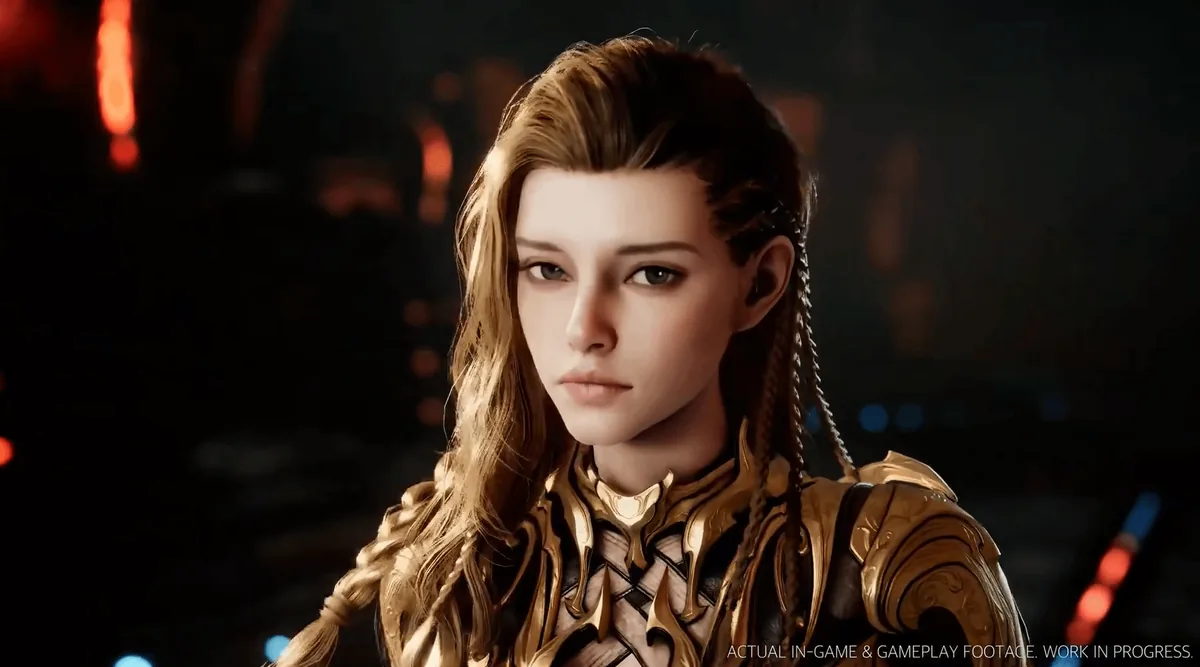
AION in 2008 was a handsome game. AION 2 in 2025 is a different species, and the difference has a name: Unreal Engine 5.
What Nanite and Lumen Actually Change
Nanite, UE5's virtualized micro-polygon geometry, lets the world carry dense detail — layered rock, ornamented armor, sprawling city silhouettes — without the LOD pop that plagued older MMOs. Lumen handles global illumination in real time, so light bounces through the crystal caverns and sunset coastlines of Atreia the way it would in a single-player cinematic.
The character side is where longtime players notice it most: film-grade facial modeling with micro-expression capture, physically driven particle effects, and ray-traced environmental lighting. It's the same pipeline that made the launch trailer footage look indistinguishable from pre-rendered work.
Not Just Pretty — Optimized
NC's engineers repeatedly stress the mobile side: the same UE5 client is tuned to hold visual consistency across PC and mobile, which is why the game's platform strategy spans desktops, consoles and phones. The 200-parameter character creator and the seamless sky-to-sea exploration both lean on this engine budget.
If you're planning hardware for the global launch, our official PC requirements rundown and the system requirements guide translate the engine's appetite into actual specs.
Related: the 36x world you'll be admiring